


Rewards Club (FanDuel)





Project
Rewards Club (FanDuel)
Role
Lead Product & Motion Designer
Team
Product · Engineering · Creative
Scope
Product Strategy · UX/UI · Interaction · Motion · Prototyping
Overview
When FanDuel Casino launched Rewards Club in 2025, the team saw an opportunity to rethink loyalty around progression, personalization, and meaningful player experiences.
As Lead Product & Motion Designer, I helped shape the experience across loyalty tiers, progression mechanics, reward boxes, interaction, and motion, focusing on scalable systems rather than one-off features.
I designed the experience to make earning, progressing, and redeeming rewards feel clear, motivating, and rewarding—creating a cohesive foundation that could evolve across tiers, campaigns, and future experiences.
The result: a scalable loyalty ecosystem that connected player activity to visible progression and more engaging reward moments.
Understanding the Rewards Club Ecosystem
Rewards Club launched in spring 2025 across New Jersey, Michigan, Pennsylvania, and West Virginia, introducing five progression levels—four available to all players and one invite-only VIP tier.
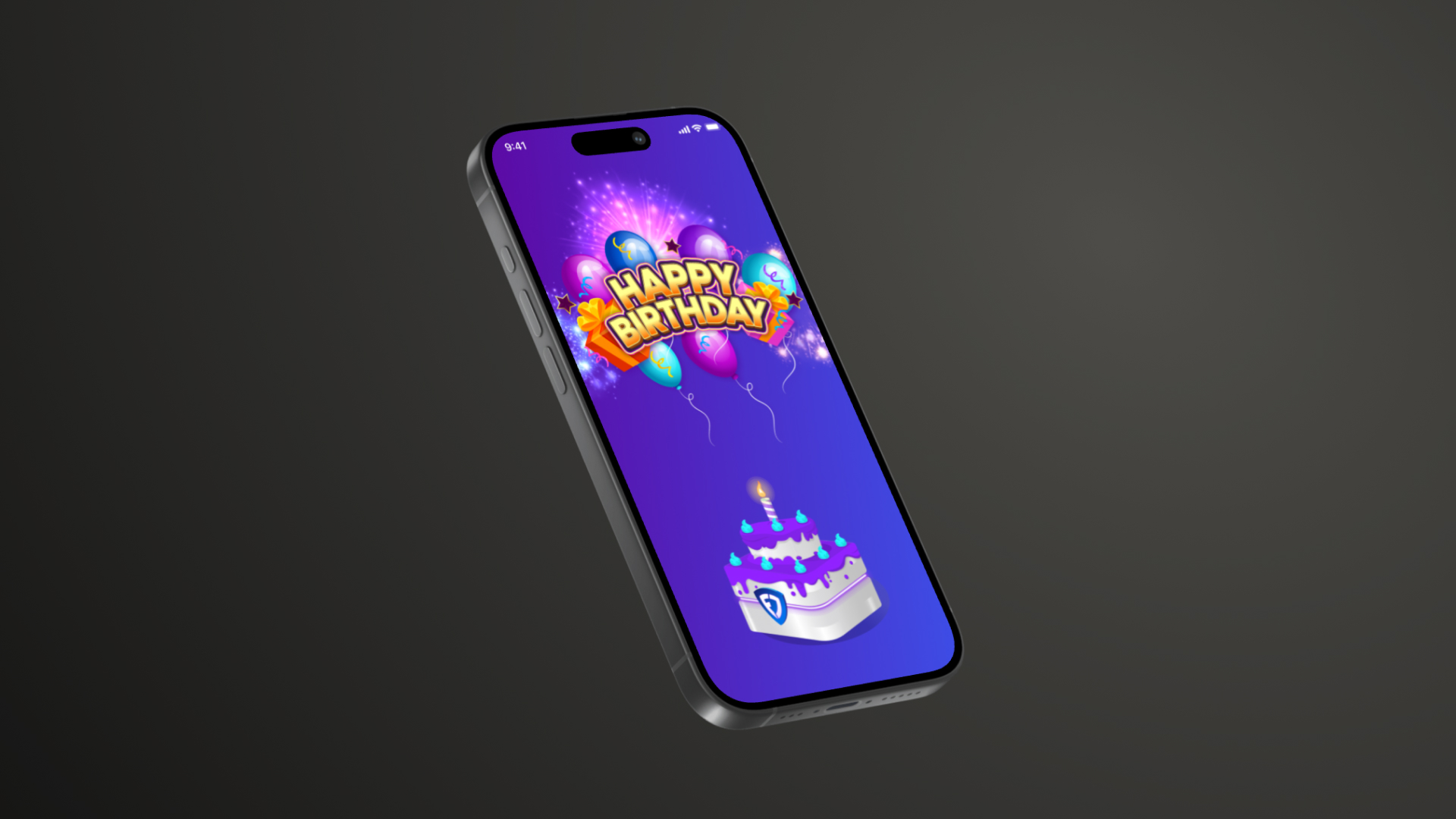
Players earn points through real-money gameplay, with their progress updating in real time as they move toward higher tiers. Each level unlocks increasingly valuable benefits, including Weekly Bonus Back, exclusive Reward Boxes, and birthday rewards.
Since launch, more than 5 million Reward Boxes have been awarded.
The Business Opportunity
The goal was to move rewards from a functional transaction to an engagement driver—making rewards easier to discover and redeem while strengthening the connection between player activity, progression, and the value of Rewards Club.
This was a systems problem: how might we design the entire reward journey so every interaction reinforces value, motivates continued engagement, and scales with the ecosystem?
.png)
Brainstorming, Research & Workshops
The development of FanDuel Casino Rewards Club began with a commitment to listening first. Customer focus groups and surveys surfaced a clear need: players wanted greater transparency and a rewards experience that felt relevant to how they actually played.
With insights from the research team as our foundation, I led a series of cross-functional workshops to translate those findings into a product strategy. We explored the Rewards Club experience from a systems and gamification perspective—mapping the mechanics that could create motivation, progression, and long-term engagement.
Through these sessions, I led the team through exploring broad opportunities to concrete decisions around the MVP experience, loyalty-tier structure, user flows and product roadmap. The workshops gave us a shared vision and a clear foundation for designing a rewards ecosystem that was both easy to understand and personalized to each player's journey.
.png)
Designing the Path From Earn to Reward
The MVP needed to solve a fundamental problem: when users earned something, how would they know about it, find it, and take action?
I mapped the end-to-end journey around three key moments: Get Notified → Easy Access → Redeem Rewards. This helped the team identify where users could enter the experience and how to create a consistent path from earning a reward to using it.
Rather than relying on a single entry point, I designed a system that combined proactive notifications through Braze with persistent access through the Rewards Hub and navigation badge. This gave users multiple ways to discover rewards without forcing them to remember where to look.
Key Design Decisions
1. Create multiple paths into the experience
Users could discover rewards through communications or a persistent navigation badge. This balanced proactive engagement with user-initiated discovery.
2. Make the reward state immediately visible
Once users entered the Rewards Hub, the appropriate reward tile surfaced based on what they had earned. This reduced cognitive load and answered the key question: “What do I have waiting for me?”
3. Tailor the action to the reward
Not every reward has the same next step. Casino bonuses used a clear “Click to Redeem” path that moved users toward the lobby and gameplay, while reward chests used “Click to Reveal” to create an intentional reveal moment.
4. Close the loop after the action
The flow connected the reward back to the user's account balance or gameplay experience, ensuring the interaction wasn't just about claiming a reward—it clearly communicated what happened after the user acted.
5. Design for scalability from the MVP
By separating notification, discovery, reward presentation, and redemption/reveal, the flow created a flexible foundation that could support additional reward types and entry points without redesigning the entire journey.
The key product decision was to make the Rewards Hub the central destination for reward discovery, while allowing multiple channels to bring users back into the experience.
This created a more intentional relationship between earning and engagement. Users didn't simply receive rewards; they could immediately understand what they earned, where to find it, and what to do next.
.png)
.png)
Design Decisions
01 — Make progression visible and motivating
Rewards Club needed to feel like more than a status label. The opportunity was to turn loyalty into a visible progression system—one where players could understand where they stood, see how their actions moved them forward, and anticipate what they could unlock next.
I designed progression to respond to player activity in real time, connecting action → progress → reward. This meant making the next tier visible, showing points prominently, and providing clear feedback when users earned rewards.
I also designed for the moments between milestones. Progress bars showed how close players were to the next tier, locked rewards and countdowns created anticipation, and feedback animations confirmed when progress or rewards were earned. I worked through edge cases such as reaching a new tier during an active session or crossing a threshold to ensure the system always communicated the correct state.
The goal wasn't to add gamification for its own sake. It was to create a transparent feedback loop that made loyalty easier to understand and more motivating to engage with.
Key principle:
If progress matters, users should be able to see it, understand it, and feel it.
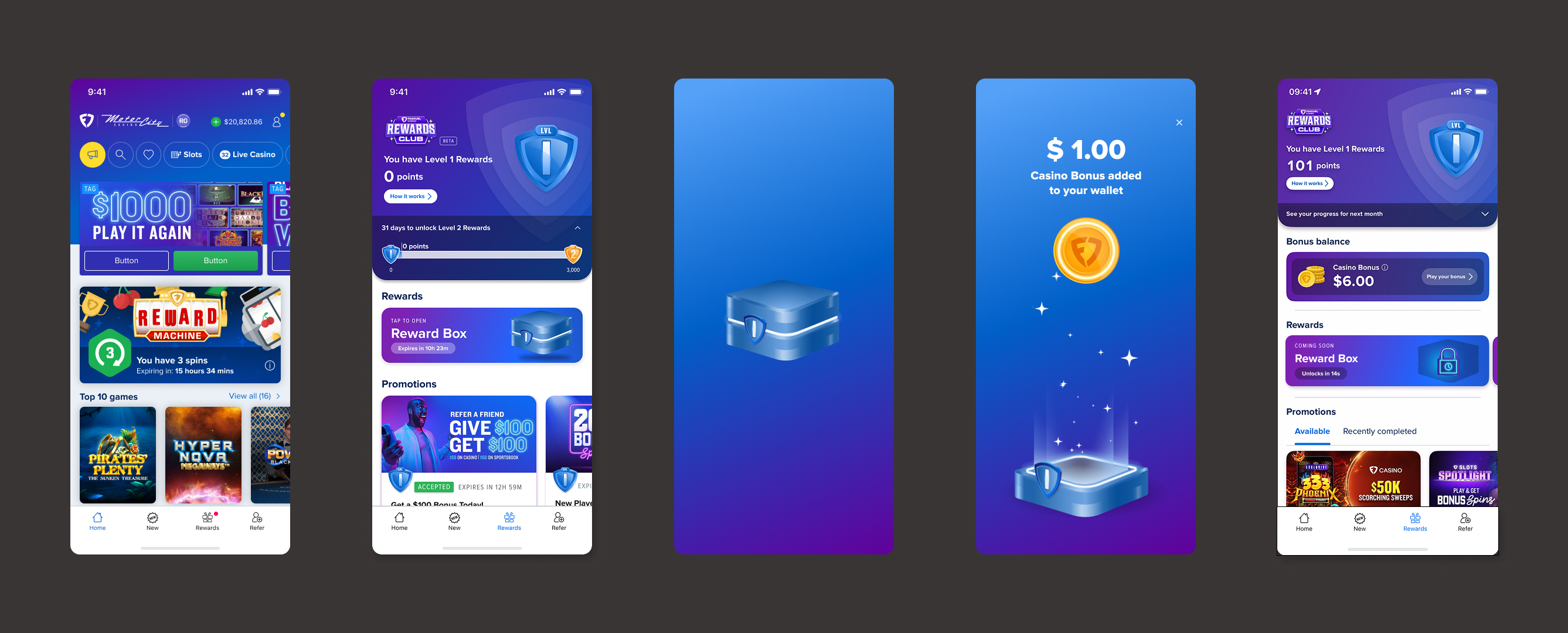
02 — Make loyalty feel tangible and distinctive
We wanted Rewards Club to have an identity that felt distinctly FanDuel—not another loyalty program that simply borrowed familiar patterns from the market.
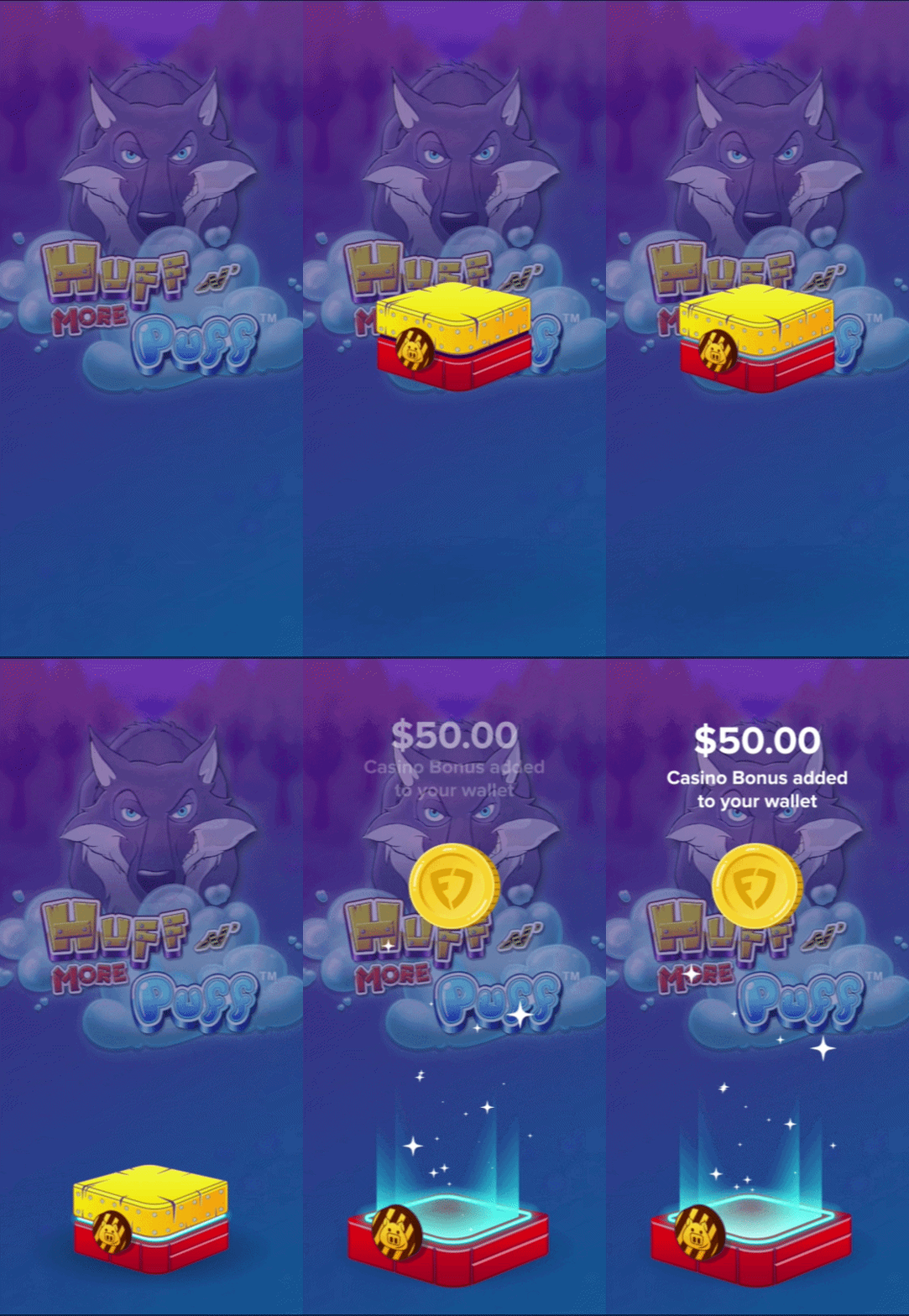
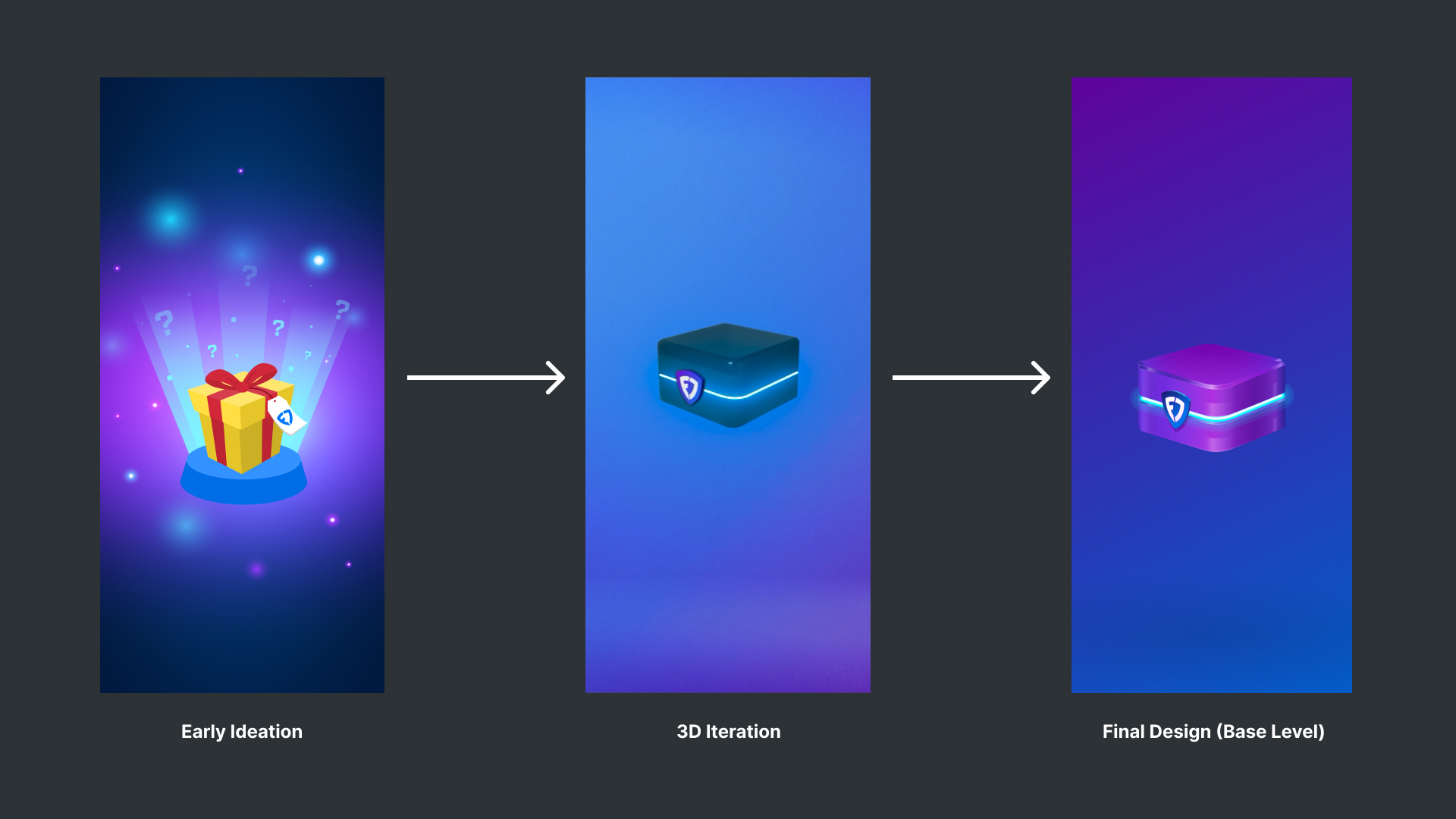
I led exploration for the Reward Box, a key interaction where we could make the value of loyalty feel more tangible. Using AI-assisted concept generation, I rapidly explored visual directions before selecting a 3D-inspired reward box that gave the experience greater depth, personality, and differentiation.
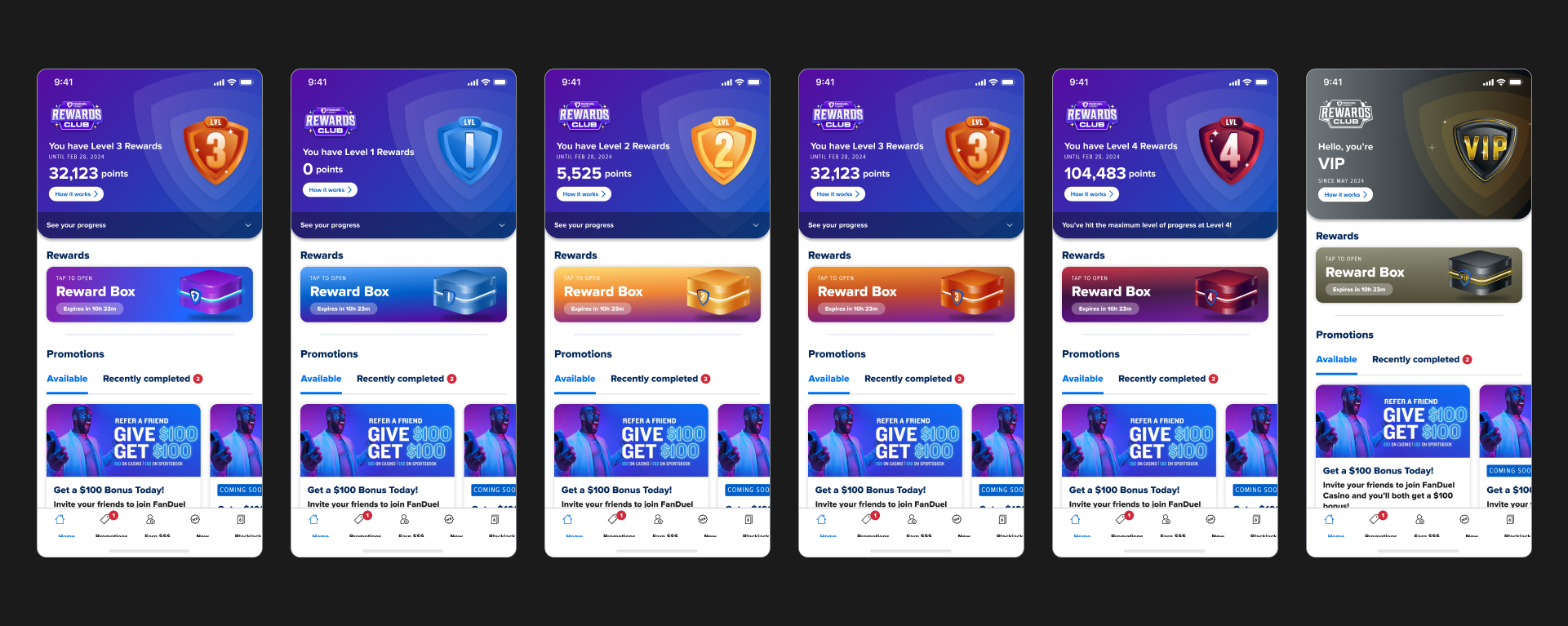
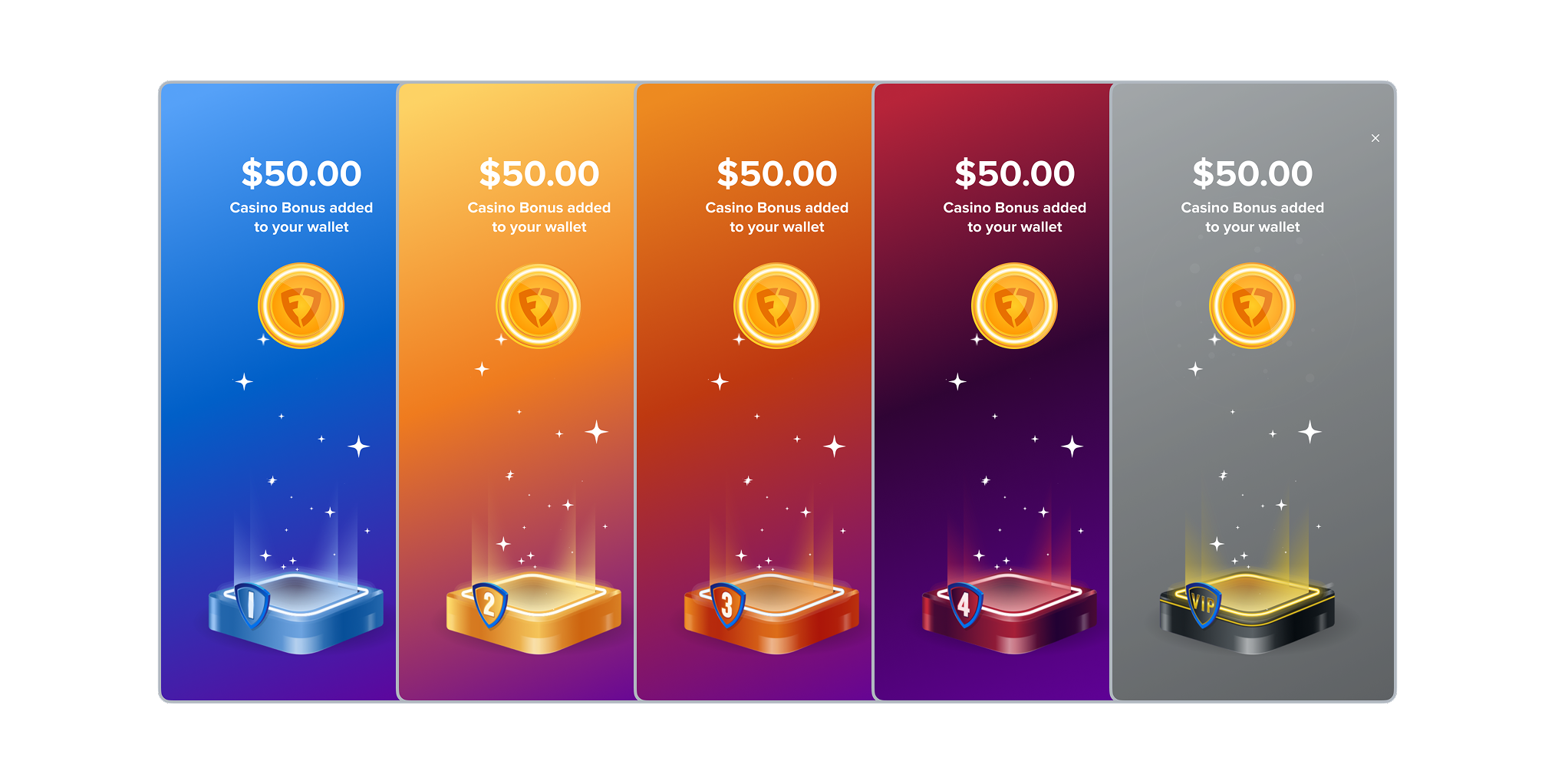
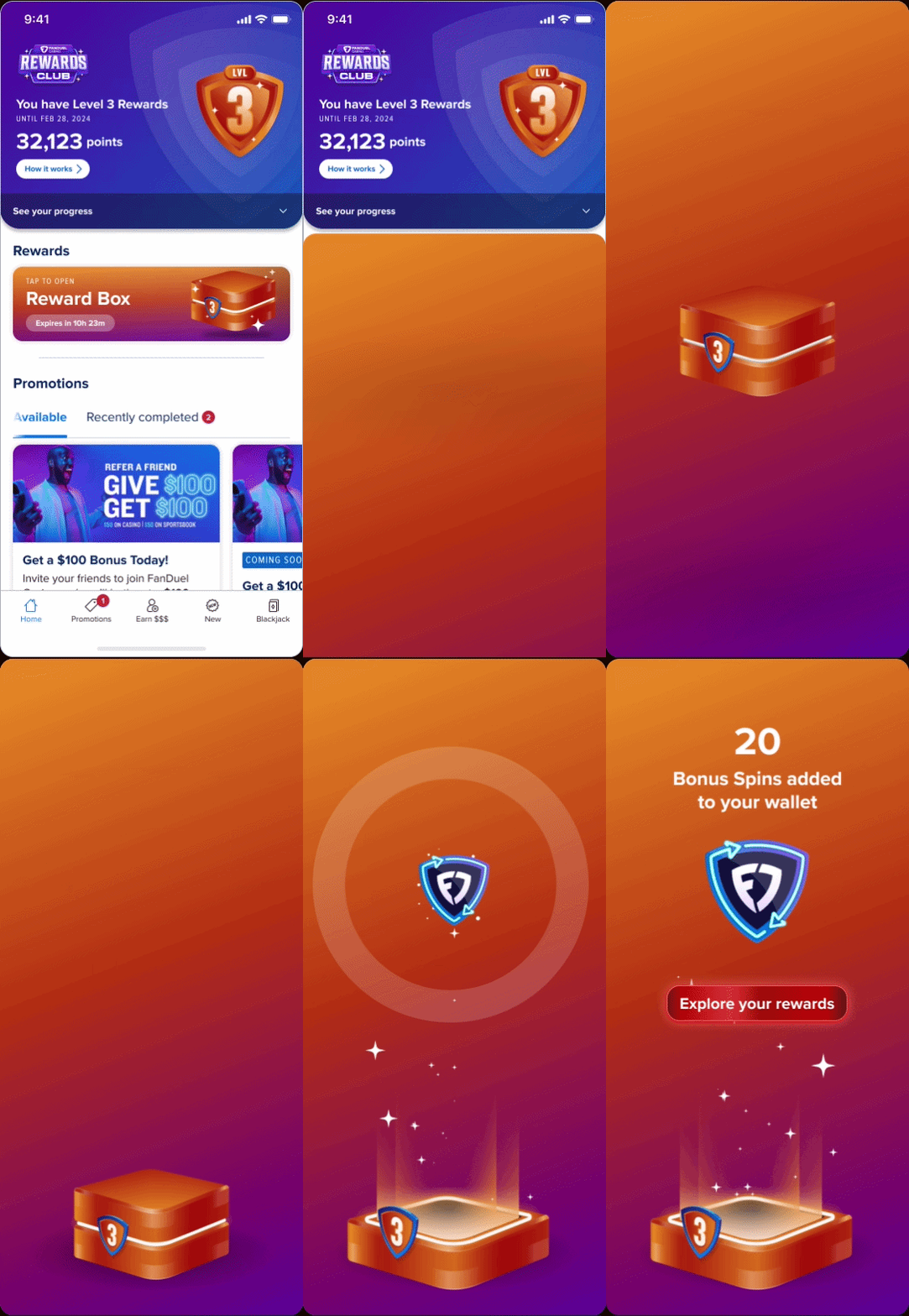
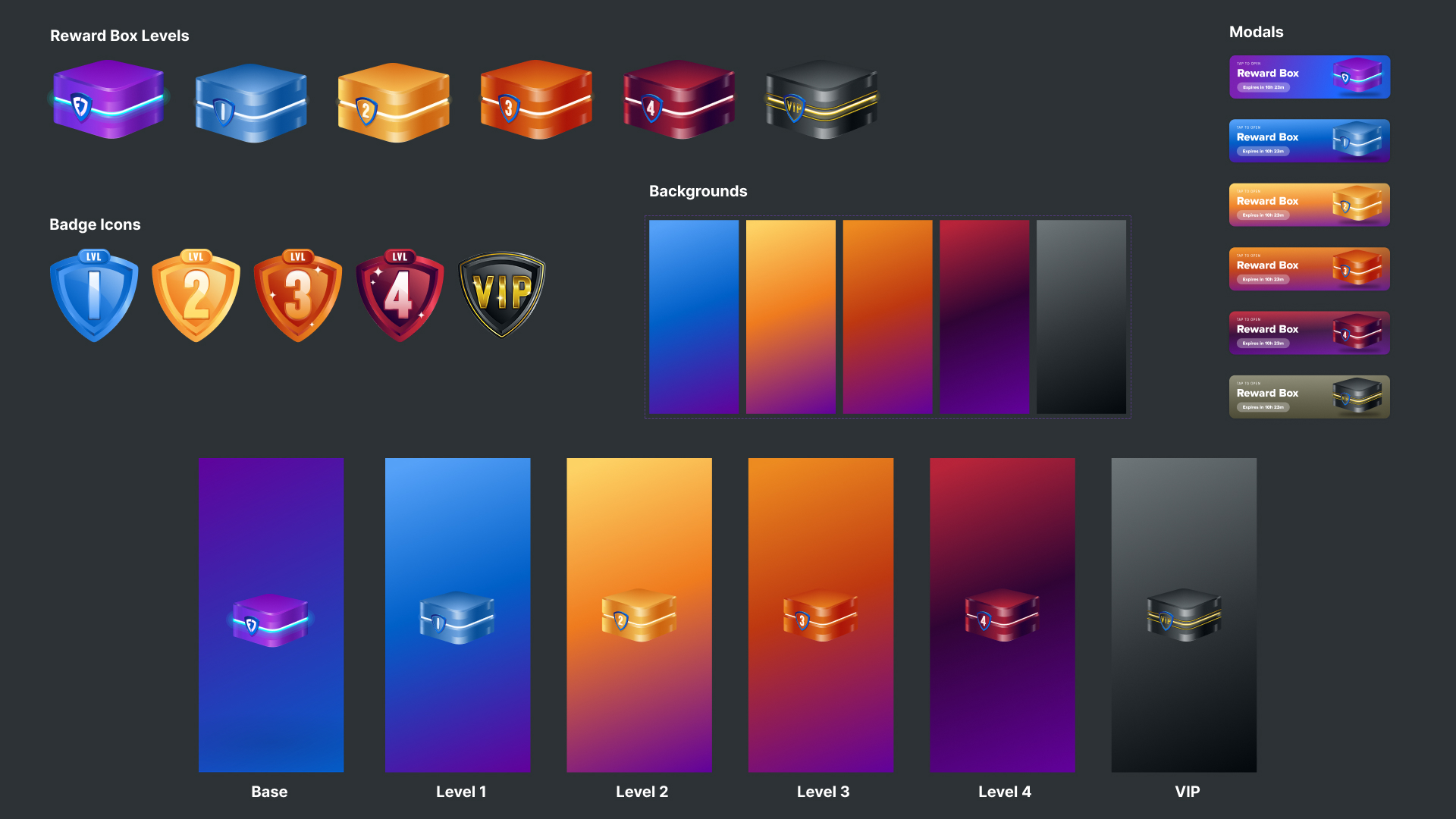
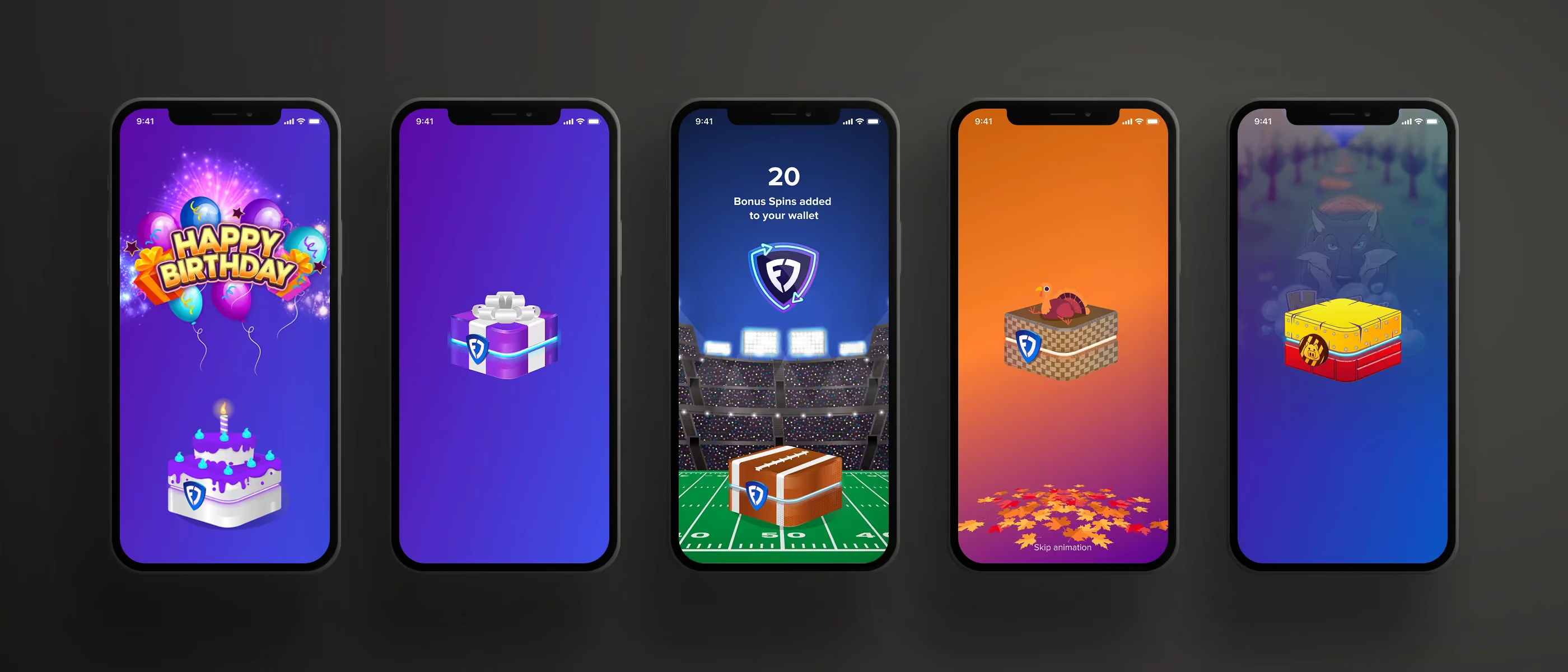
I extended that thinking across the loyalty system. As players progressed from the base tier toward VIP, reward boxes, badges, backgrounds, and interaction states evolved with their status. The visual system made progression recognizable at a glance while maintaining consistency across the ecosystem.
This transformed loyalty from something users simply had into something they could see and experience as they progressed.
Key principle:
Progression should be expressed through the experience—not just communicated through numbers.
03 — Make progression tangible
Rewards Club needed a visual language that made progress feel tangible. Rather than treating loyalty tiers as a static status, I designed the gamification system so the experience visually evolved as players achieved more and unlocked greater rewards.
As players progressed from the base tier through VIP, their reward boxes, badges, backgrounds, and interaction states transformed with each level. These changes created a clear visual hierarchy and gave players immediate feedback that their activity was moving them forward.
The decision was intentional: progress should be something users can see and feel, not just a number on a screen. Each tier built on the previous one, creating anticipation and a sense of achievement while maintaining a cohesive visual system across Rewards Club.
This thinking also shaped the Reward Box. We wanted a signature interaction that made earning a reward feel distinct and memorable. I led exploration of different visual directions, using AI-assisted concept generation to rapidly test ideas before selecting a 3D-inspired approach that gave the experience greater depth, personality, and differentiation.
The result was more than a rewards structure. Loyalty became a visual progression system—one that made achievement recognizable, reinforced motivation, and gave the Rewards Club ecosystem a distinct identity.
Key principle:
Progress should be something users can see, feel, and look forward to.
04 — Turn motion into a scalable product system
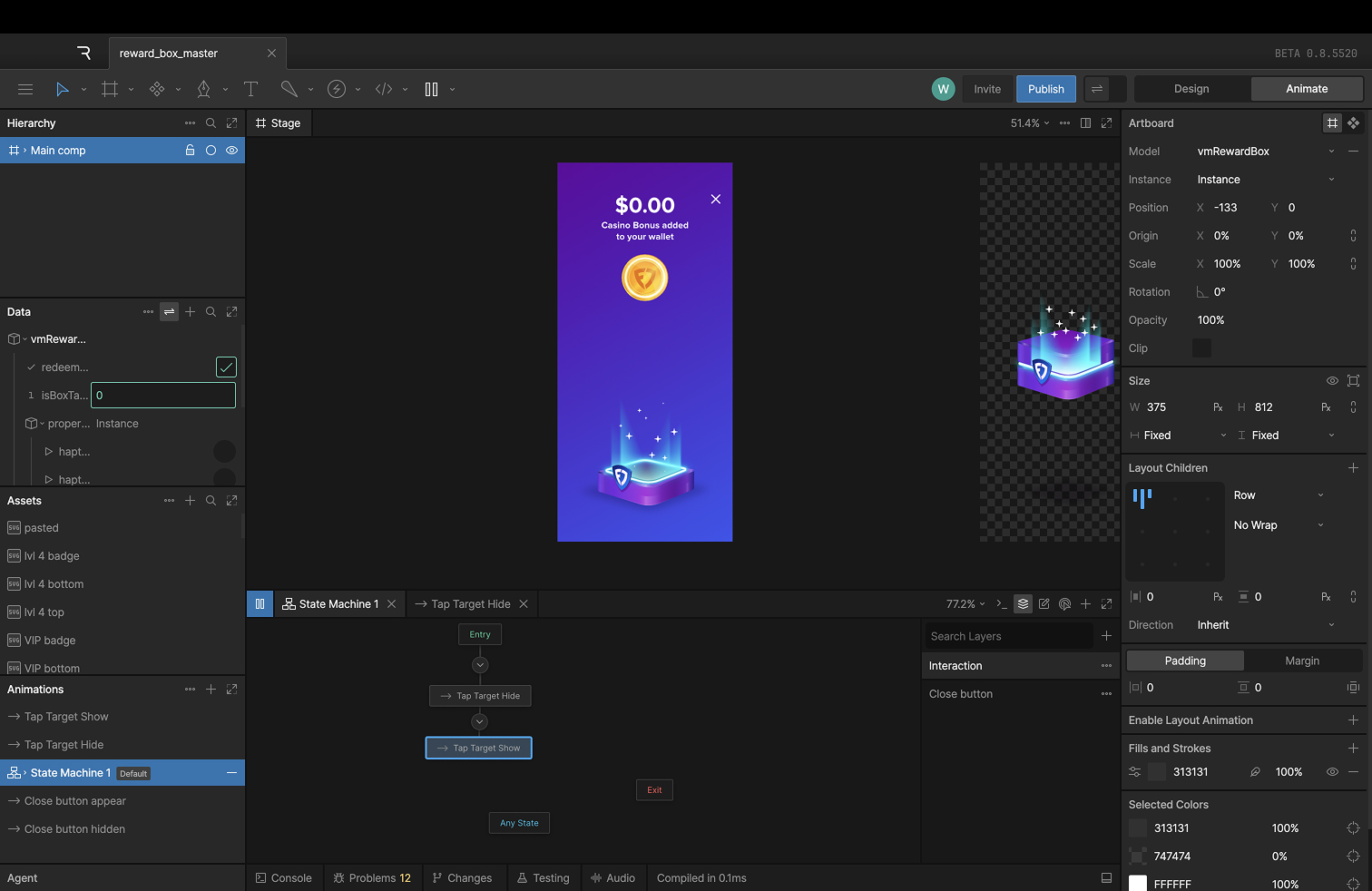
As Rewards Club expanded, I identified a larger problem with our Lottie workflow: every new tier, skin, or campaign required another animation and export.
That approach could support the initial launch, but it wouldn't scale with a loyalty ecosystem that needed to evolve across tiers, personalization, and marketing moments.
I proposed and advocated for Rive to leadership as a more flexible approach to interactive motion. After gaining alignment, I led the adoption and migration—establishing workflows, creative standards, implementation practices, and helping other designers build confidence with the new technology.
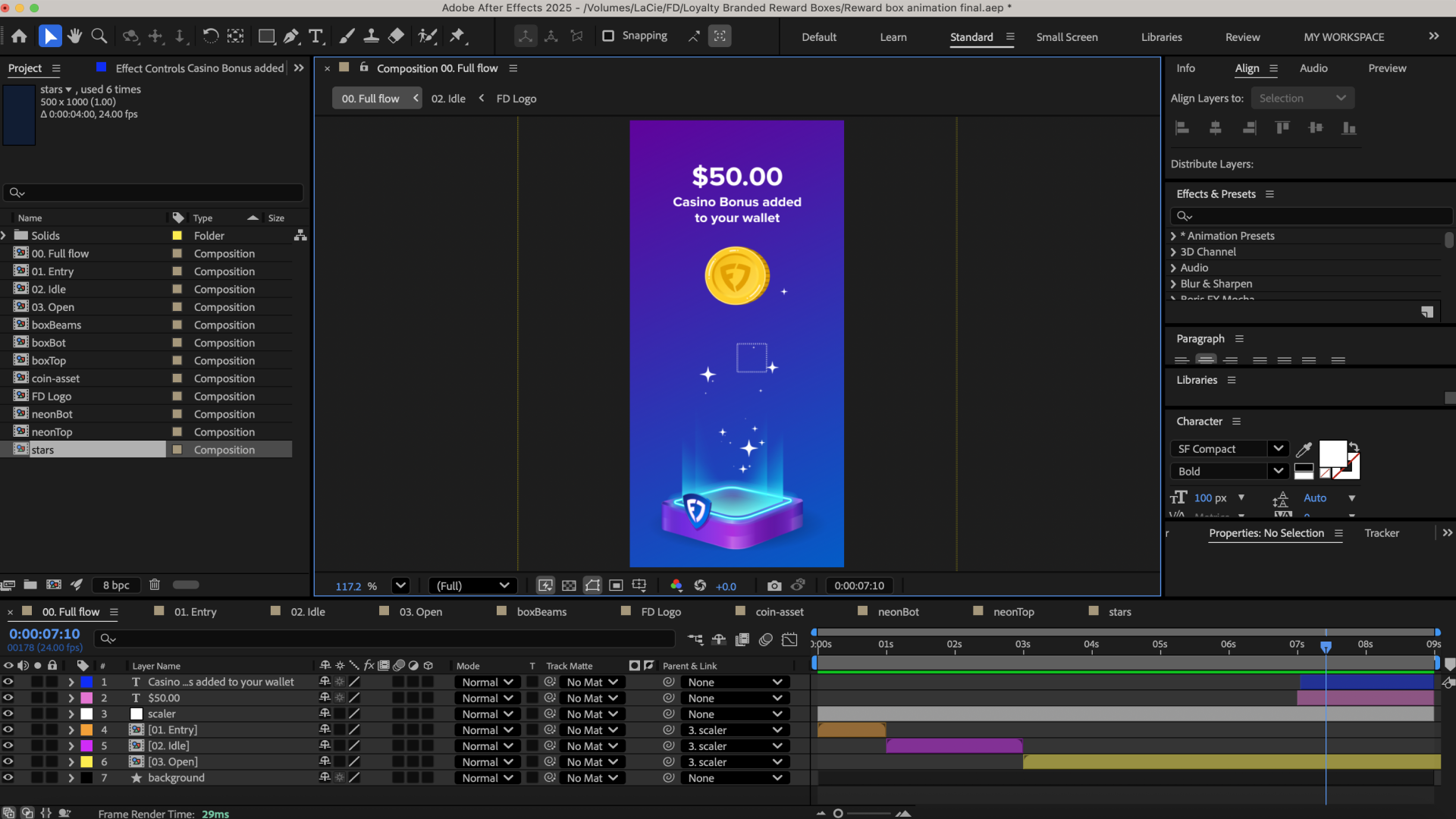
The Reward Box became the first Rive-powered experience to ship. Instead of creating separate animations for every variation, I designed a flexible system where a single animation could support different loyalty tiers, visual skins, and tentpole themes.
I then pushed the system further by making the Reward Box framework CMS-enabled, allowing new visual treatments and campaign variations to be introduced without rebuilding the underlying experience.
What started as a motion implementation challenge became an opportunity to rethink how motion could work as a scalable product capability.
Key principle:
Design for the system, not just the moment.
The Impact Went Beyond One Project
This established a new way for the organization to think about motion as a product system rather than a collection of exported assets. I helped define the workflows, standards, and cross-functional practices needed to make interactive motion scalable across the product.
The result was a more flexible and efficient motion framework that improved design-to-development fidelity, enabled personalization at scale, reduced production overhead, and gave other designers a foundation they could build on.
Validating the Experience in Product
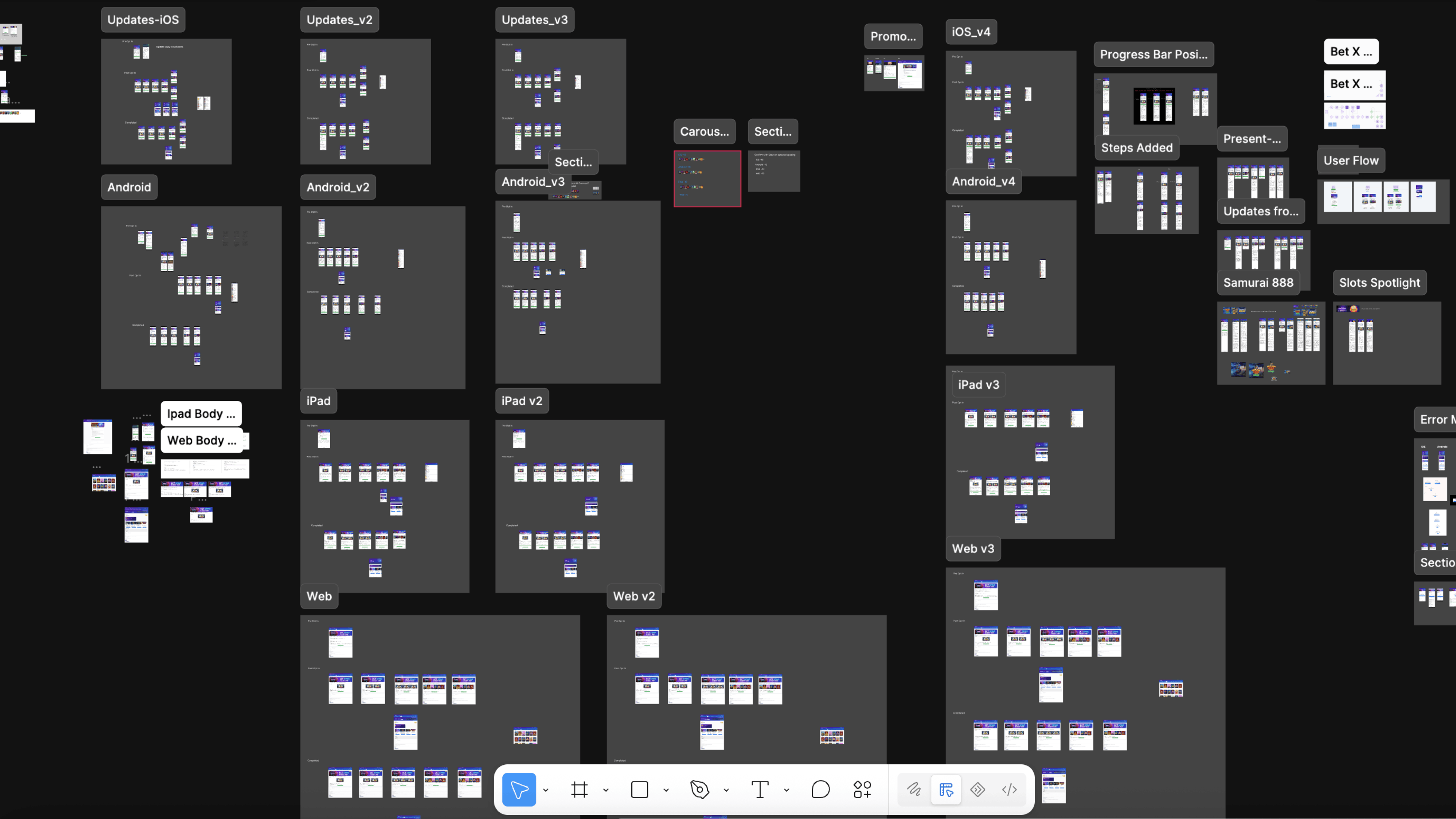
Before launch, I led in-product UAT across every Rewards Club tier to validate that the experience worked as intended from the user’s perspective—not just in prototypes.
Testing each tier allowed us to verify visual states, progression, interactions, animations, and tier-specific experiences while identifying inconsistencies and edge cases before release.
This final validation helped ensure the experience was cohesive, scalable, and production-ready across the entire loyalty journey.
Impact: From Rewards to Retention
Rewards Club proved that loyalty could be more than a promotional layer—it could become an engaging product experience that gives players a reason to keep progressing.
Within the first year, engagement with promotions and reward offerings increased, while customer sentiment toward Rewards Club improved 7–8 percentage points across loyalty levels. Favorability ranged from 57% among Level 1 players to 76% among VIPs, showing that perceived value grew as players progressed through the ecosystem.
The longer-term signal was even stronger: 7 in 10 customers said they love or like Rewards Club.
What I Took Away
The work reinforced a principle I carry into product design: progress is most powerful when users can see, understand, and feel it.
By connecting clear progression, personalized rewards, meaningful feedback, and engaging interactions, I helped transform a new loyalty program into a scalable product experience—one designed not just to reward activity, but to build anticipation and encourage continued engagement.
The Bigger Impact
The result wasn't simply a redesigned rewards experience. It was a scalable foundation for loyalty—connecting player behavior to progression, motivation, and measurable business impact.
What began as the design of a single reward moment quickly became a measurable growth driver. By turning reward boxes into high-impact, anticipation-driven experiences, engagement increased immediately, with a 22% lift in open rates across all loyalty tiers. Players were no longer just receiving rewards, they were actively engaging with them. That emotional connection translated into long-term value, contributing to a 92% retention rate and demonstrating how well-designed reward moments can strengthen loyalty at scale. In 2025 alone, 2 million reward boxes were awarded, transforming a routine interaction into a high-frequency, brand-defining touchpoint that delivered both player delight and meaningful business impact.


.jpg)